
À propos

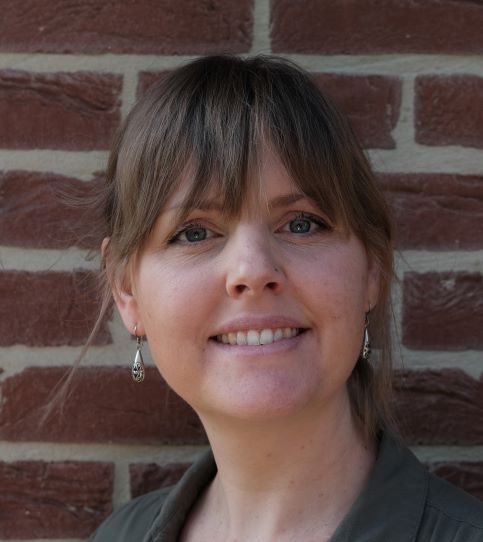
Psychologue clinicienne de formation, je me suis ensuite spécialisée dans le domaine des psychotraumatismes.

Je vous propose des suivis psychothérapeutiques dans une approche intégrative et holistique.

Ayant un attrait particulier pour le bien-être et la santé de manière globale, j’ai à cœur de pouvoir appréhender et aider chaque personne dans sa globalité « corps – esprit ». Face au constat que, régulièrement en thérapie, les mots ne suffisent pas pour installer un changement durable, il me paraît nécessaire de pouvoir faire appel à l’intelligence du corps. Mon approche intègre donc les aspects cognitifs, émotionnels et psychocorporels.

Je vous propose un lieu pour être entendu, pour exprimer, pour souffler, pour prendre soin de vous. Dans un cadre prioritairement sécurisant et bienveillant, je vous accompagne dans la recherche des solutions qui sont en vous. Avec respect et non-jugement, nous explorerons ensemble les pistes vers un mieux-être selon vos objectifs, vos besoins, vos appréhensions. Une attention particulière sera portée à vous apporter des outils de stabilisation et de ressourcement pour votre quotidien, pour dans un second temps pouvoir travailler en confiance les blocages suscitant vos difficultés actuelles.

Je propose des suivis dans une approche intégrative, c’est-à-dire combinant ce que j’ai été glaner au fur et à mesure de formations venant de courants thérapeutiques différents et de formateurs reconnus et experts dans leur domaine.

Ainsi j’ancre ma pratique dans la thérapie EMDR, la psychothérapie sensorimotrice, les thérapies humaniste et cognitivo-comportementale. Je m’inspire également largement d’outils provenant de la pleine conscience, de l’hypnose, mais aussi des techniques de relaxation, de respiration, …

Actuellement je partage mon temps de travail entre le Centre de Prise en charge des Violences Sexuelles du CHRSM de Namur, et des consultations en cabinet privé à Dave.

A minimalist wall display in a therapy office, showing a large, abstract painting composed of gentle overlapping shapes in muted blues, soft beiges, and warm grays, evoking emotional layers and healing from trauma without being explicit. The painting hangs on a matte white wall above a sleek, light-wood console table holding a small ceramic vase with a single eucalyptus branch and a sand-colored hourglass. Indirect natural light washes evenly across the scene, reducing harsh contrasts and reinforcing calm. Captured straight-on in photographic realism with sharp focus throughout, the composition is balanced and uncluttered, conveying professionalism, safety, and a focus on psychotrauma care.
An open hardcover notebook with thick, ivory pages lying on a textured linen throw placed over a soft, neutral-colored armchair. On the notebook page, faint, partially visible diagrams of a brain and simple flow arrows suggest trauma processing and therapeutic steps, without readable text. A slim, metallic bookmark rests diagonally across the page. Warm, late-afternoon sunlight streams in from the left, creating gentle diagonal shadows and a cozy, reflective ambiance. Photographed from a slightly elevated angle in photographic realism with a shallow depth of field, the background dissolves into a soft blur of beige and taupe, emphasizing introspection, structure, and the professional guidance of trauma-focused therapy.
A carefully arranged psychoeducation corner: a cork bulletin board mounted on a light gray wall, pinned with three clean, infographic-style sheets showing simplified brain outlines, body silhouettes, and gentle wave patterns symbolizing trauma responses and regulation, all without any legible text. Below, a slim white shelf holds a small sand timer, a potted lavender plant, and a closed navy-blue binder. Cool natural daylight from a nearby window illuminates the scene evenly, avoiding dramatic contrasts. Photographed straight-on in photographic realism with sharp focus and balanced framing, the mood is informative yet soothing, conveying structured, evidence-based psychotrauma care in a calm, professional environment.
A close-up of a small glass bowl filled with polished, multicolored river stones, each stone smooth and slightly wet-looking, resting on the corner of a light oak desk. Next to the bowl lies a neatly stacked set of cream-colored index cards and a fine-point black pen, symbolizing psychological notes and trauma assessment. Soft, diffused afternoon light from an unseen window creates gentle highlights on the stones and subtle shadows along the desk’s wood grain. Shot with a shallow depth of field and photographic realism, the background fades into a soft blur of muted blues and grays, evoking a thoughtful, professional, and contemplative mood suitable for a trauma-specialized psychologist’s website.